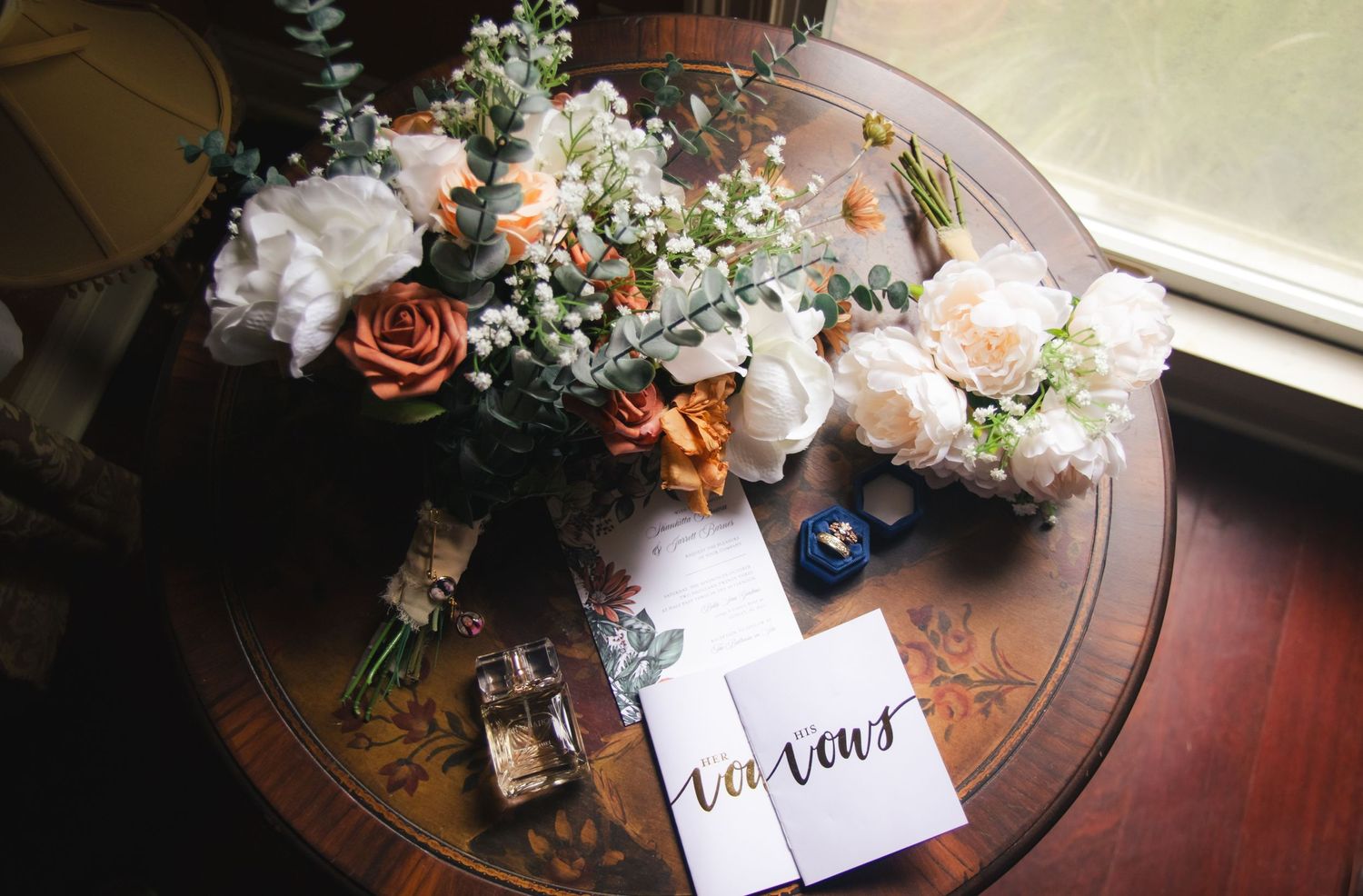
The Tale of two venues
4 years of capturing graduations, birthdays, and events, and still, a wedding shoot was not on my resume. I had convinced myself that I needed the perfect gear, a stronger portfolio - anything to avoid taking the plunge. But fate played its hand when a young couple from my hometown trusted me with their big day, even though I had no wedding photos to show. Their faith in my work was the push I needed to launch my wedding photography career.
And then, as if the universe heard my call, another couple from my hometown wanted me to capture their special day, too! I now had two weddings to shoot, 22 days apart. With no prior experience, I did the smart thing: attended YouTube University. Both weddings went off without a hitch due to proper preparation. So, for all those new wedding photographers out there, here are my top 2 takeaways:
Size does matter
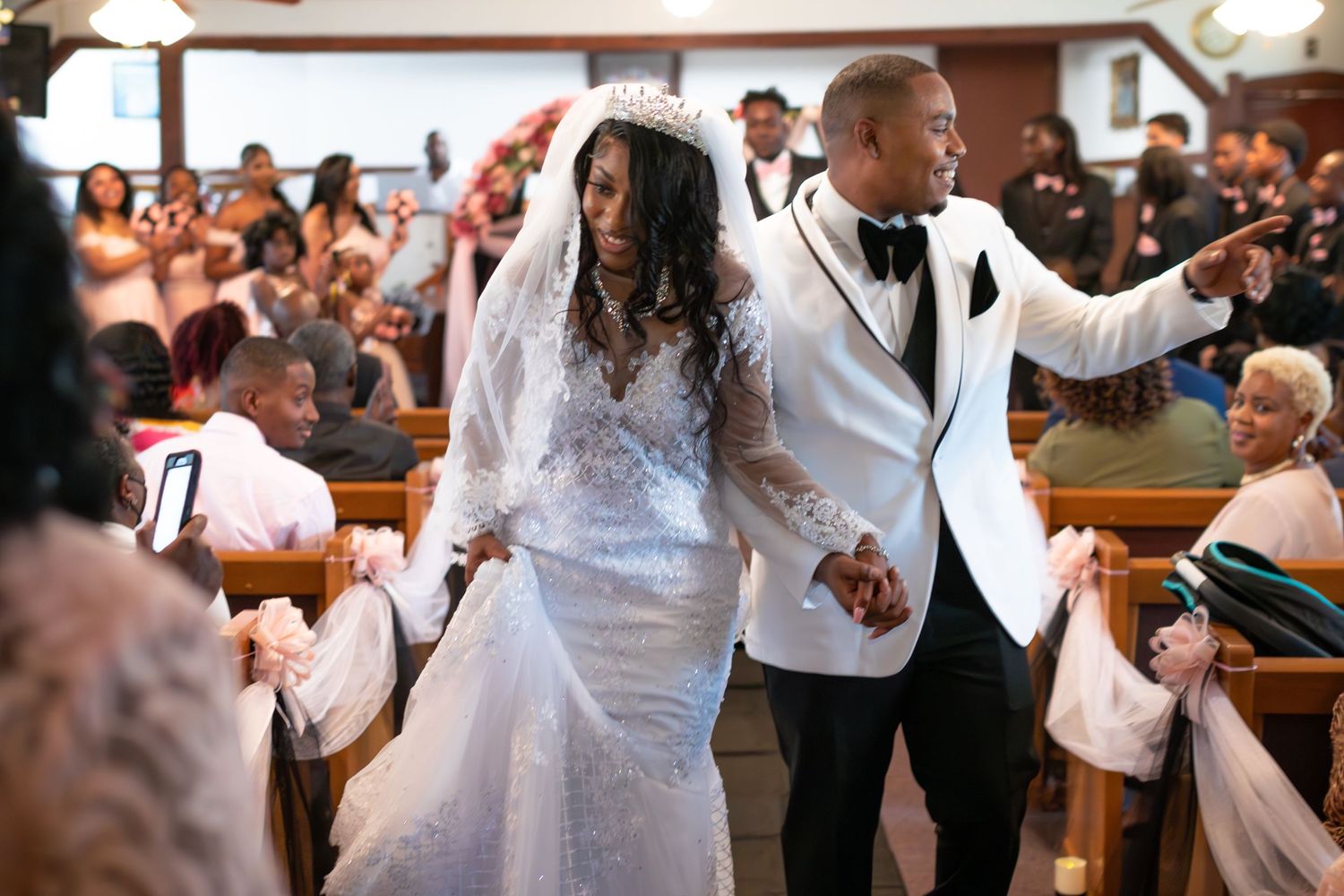
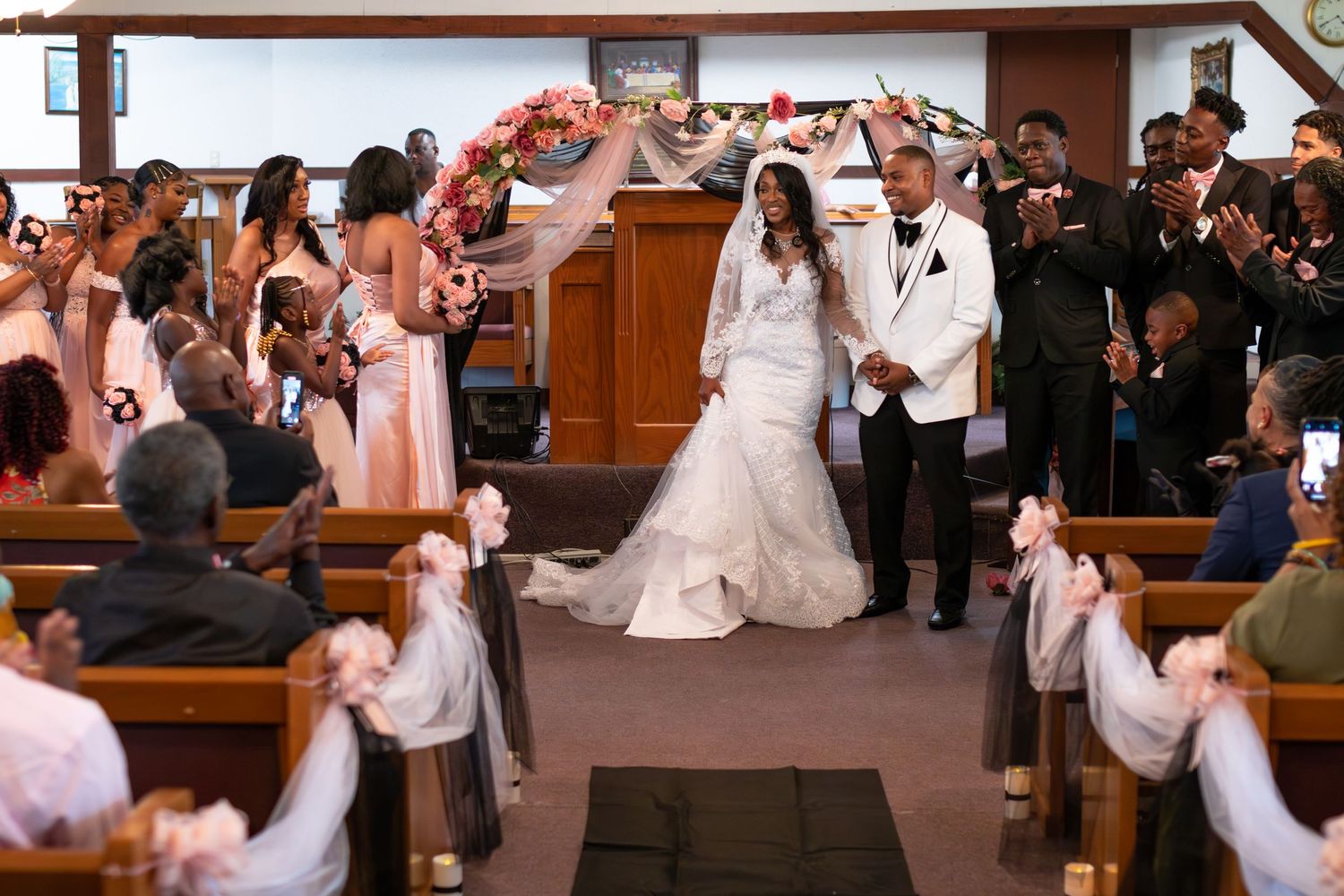
The venue for wedding A was a small, intimate family church in a rural area of my hometown. My main concern before the wedding was having the space and equipment to capture full body shots as well as close, more intimate shots. Well get this, the church pews were packed with loved ones from front to back, the wedding party was about 20 people deep, and did I mention that I brought a second shooter who I expected to maneuver around the venue too?
This is where having the right gear saves the day! I love using my 50mm f/1.4 lens to capture portraits, but that lens was too tight for the situation. The lenses that got the job done were my 35mm f/1.4 and my 17-55mm f/2.8 for super wide shots. The sides of the church had very narrow walkways, so I worked the center aisle from every possible angle to get my shots without being in the way of the ceremony.
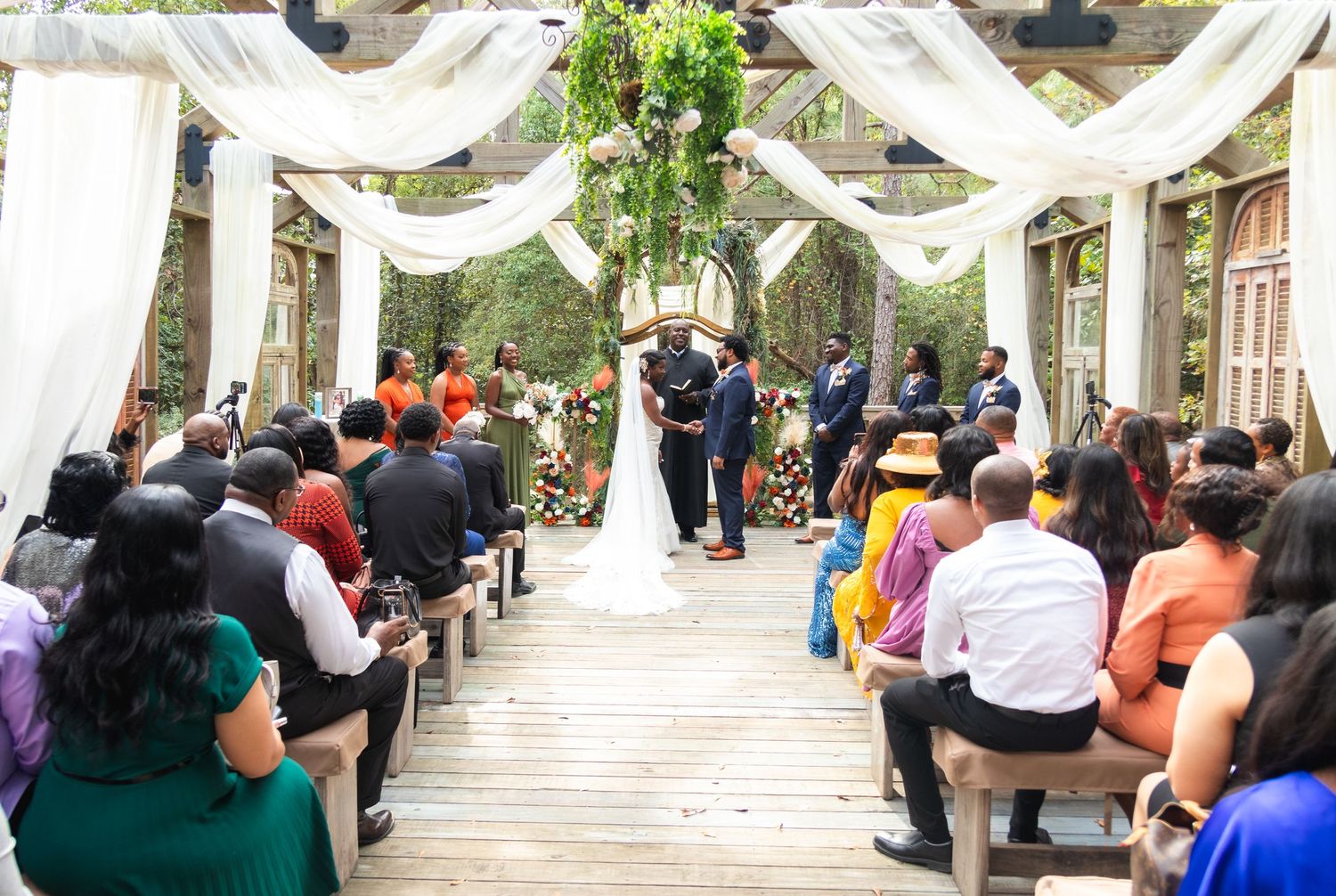
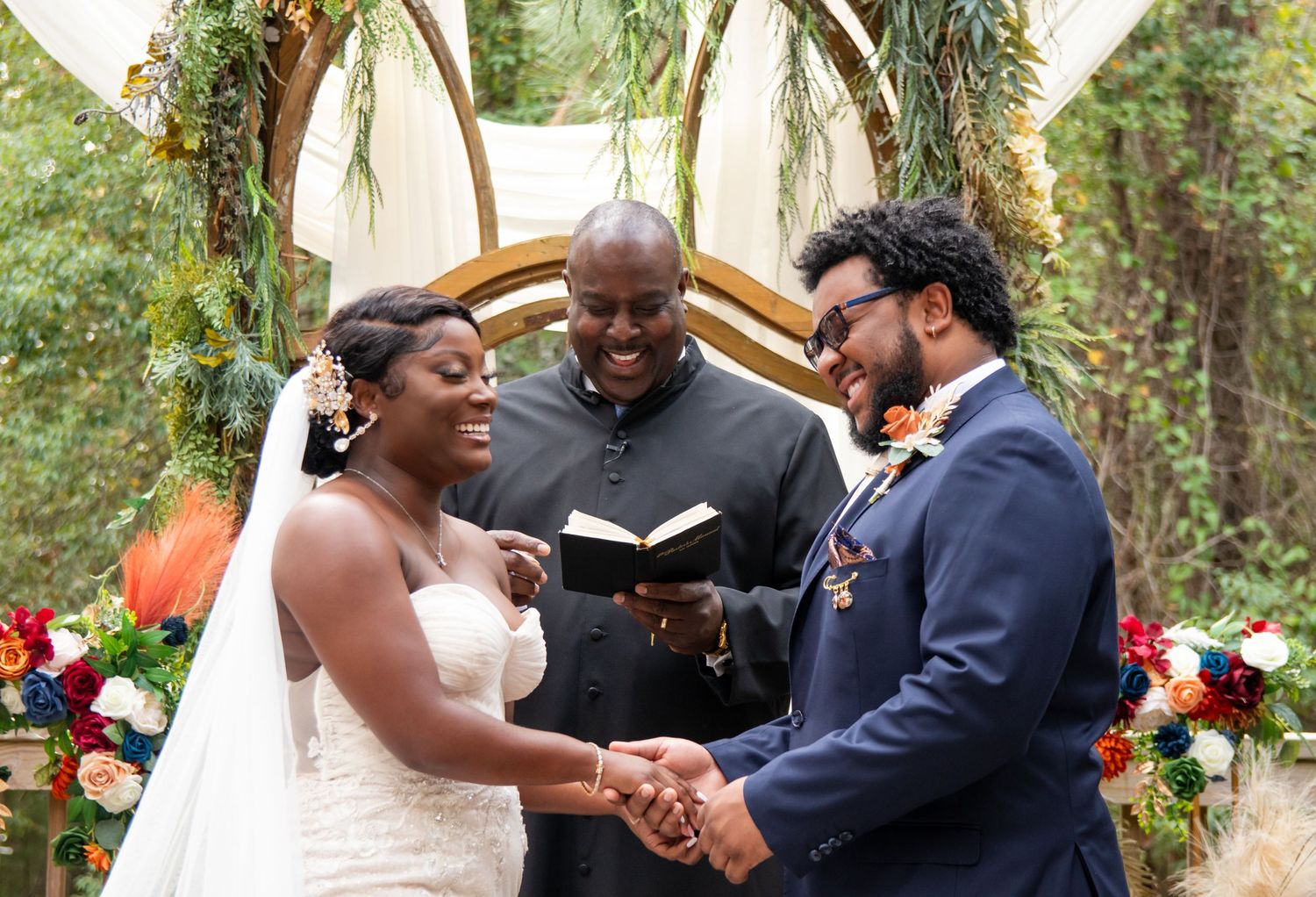
Wedding B was on the opposite end of the spectrum. The ceremony took place in an outside “framed” chapel that featured a wide aisle and many exits to the outside. It’s also important to mention that the wedding party was a modest group of 8. This opened up ample space that allowed me to move freely around the chapel without being a distraction. I was able to use all my favorite lenses with no penalty. This gave my clients a more diverse range of photos to choose from in the end.
Lighting Is King
Lighting is arguably the most important factor in any shooting situation. This dictates your camera settings, the gear you can use, and ultimately the quality of your photos. If you are not able to recon your venues beforehand, it is always a safer bet to bring more gear than you need to include lenses and artificial lighting sources.
Wedding A in the quaint church had stained glass windows along the walls that let some ambient light into the venue however, the artificial light in the room did not contribute much. I was able to compensate for the average lighting by turning up my ISO even though doing this would cost me some time while editing. The photo exposure while the wedding party came down the aisle was ideal but what I didn’t plan for was when the guests all stood to receive the bride. This blocked all the side window lights from reaching the center aisle and hurt the lighting significantly. I pivoted by switching to a lens with a lower aperture and turning my ISO up again out of necessity. I could have brought an on-camera flash to compensate but I wanted the “natural” look for the ceremony.
Wedding B, being an outside venue, gave me all the natural light I could ask for. I was able to keep my camera settings on a comfortable level, giving me maximum quality. This type of situation allows you to think more about composing interesting shots versus constantly adjusting for exposure. It also allows you to bring minimal amounts of gear if you are going for the natural feel. Also, I was tackling this ceremony without a second shooter so it was important that I could move around quicker without fiddling with my settings.
My Advice
My final piece of advice for new wedding photographers is to do your homework on your venue before the day off so you’re not hit by any surprises. Figure out what lenses will give you the best product, decide if you need to bring your lighting, and also determine if it makes sense to bring a second shooter. Thinking about these factors will make for better-quality photos and save you a lot of time and heartache when editing. This is a win-win situation for the couple and the photographer.
